


Gastric Balloon


Gastric Balloon
Overview
Gastric balloon is a non-surgical, temporary weight-loss procedure that involves placing a soft, inflatable balloon in the stomach to reduce hunger and limit food intake. This minimally invasive treatment provides a less drastic alternative to surgical weight-loss procedures.

Unlike Gastric Bypass or sleeve Gastrectomy, the gastric balloon does not require permanent changes to the stomach or intestines. It is an effective short-term solution for weight management, helping patients adopt healthier eating habits and lose weight while the balloon remains in place for six months to a year.
Who is it for?
Gastric balloon is recommended for individuals who need to lose weight but are not ready or eligible for bariatric surgery. It is an ideal option for those with a BMI of 27 or higher looking for a non-permanent intervention.
This procedure is often chosen by patients who need to lose weight before undergoing other medical treatments or surgeries. It also benefits those seeking to develop healthier eating habits with medical guidance.
Procedure Details
The gastric balloon is inserted into the stomach using an endoscopic procedure, taking about 20-30 minutes. Once in place, it is filled with a sterile saline solution to reduce stomach capacity.
- A mild sedative or anesthesia is administered.
- A deflated balloon is inserted into the stomach via an endoscope.
- The balloon is filled with a sterile saline solution.Its size is adjusted to limit food intake effectively.
- The procedure is completed, and the patient is monitored before discharge.

The Elipse Gastric Balloon Technology
The Elipse Gastric Balloon (Allurion Gastric Balloon) is the world’s first gastric balloon that does not require endoscopy or anesthesia. It works like other gastric balloons by reducing stomach capacity, helping patients feel full with less food. The balloon comes in a swallowable capsule form, which is designed to be as small as possible for easy ingestion. Once swallowed with water, an X-ray confirms its position before it is inflated with water through a thin, flexible tube.
After 16 weeks, the balloon’s valve opens, allowing it to deflate and pass naturally through the intestines without the need for removal. Designed to withstand stomach acid for an extended period, the Elipse balloon provides a more comfortable and non-invasive weight loss solution. Because of its unique swallowable design, it is often called the “gastric balloon pill,” making it a convenient option for those who want to lose weight without surgery.
Recovery and Aftercare
Recovery from the Gastric Balloon procedure is quick, with most patients resuming daily activities within a few days. Following the procedure, your throat might feel a little sore, and you may experience some cramps and nausea as your stomach adjusts to the balloon—this discomfort may last 2 to 3 days.
You will be on a liquid or soft diet for a few weeks, followed by six months of supervised diet and behavior modification to help you continue eating healthily and staying active. The Gastric Balloon remains in place for six months to a year while patients follow a structured diet and lifestyle program, with ongoing medical support to ensure long-term success after balloon removal.
Results Timeline
Weight loss begins immediately after placement, with most patients losing 10-15% of their total body weight within six months. The most significant results occur within the first three months.
Beyond weight loss, the gastric balloon helps patients adopt healthier eating habits, leading to long-term benefits. Continued lifestyle changes after removal are essential to maintain results and prevent weight regain.
Have questions about your treatment?
Our team is available 24/7 with multilingual support.

Frequently Asked Questions
Find answers to common inquiries.
Need personalized support?
WhatsApp us for a quick response—we reply within minutes.
What types of surgeries does Dr. Gül specialize in?

Why choose Türkiye for surgical procedures?
What is the recovery time for most surgeries?
What bariatric procedures are offered at the clinic?
How much weight can I expect to lose after bariatric surgery?
What languages does Dr. Gül and his team speak?
Will I need to take supplements after bariatric surgery?
Does insurance cover these procedures?
Can I combine treatment with travel in Turkey?
What support is available after surgery?
Am I a suitable candidate for bariatric surgery?
How long do I need to stay in Türkiye?
What pre-operative tests are required?
What is the difference between gastric sleeve and gastric bypass?
What can I eat after surgery?
When can I return to work and exercise?
Are there non-surgical weight-loss options?
Is the anaesthesia safe and how is it managed?
Can bariatric surgery help with obesity-related conditions?
What follow-up care do I get after returning home?
Our Expertise
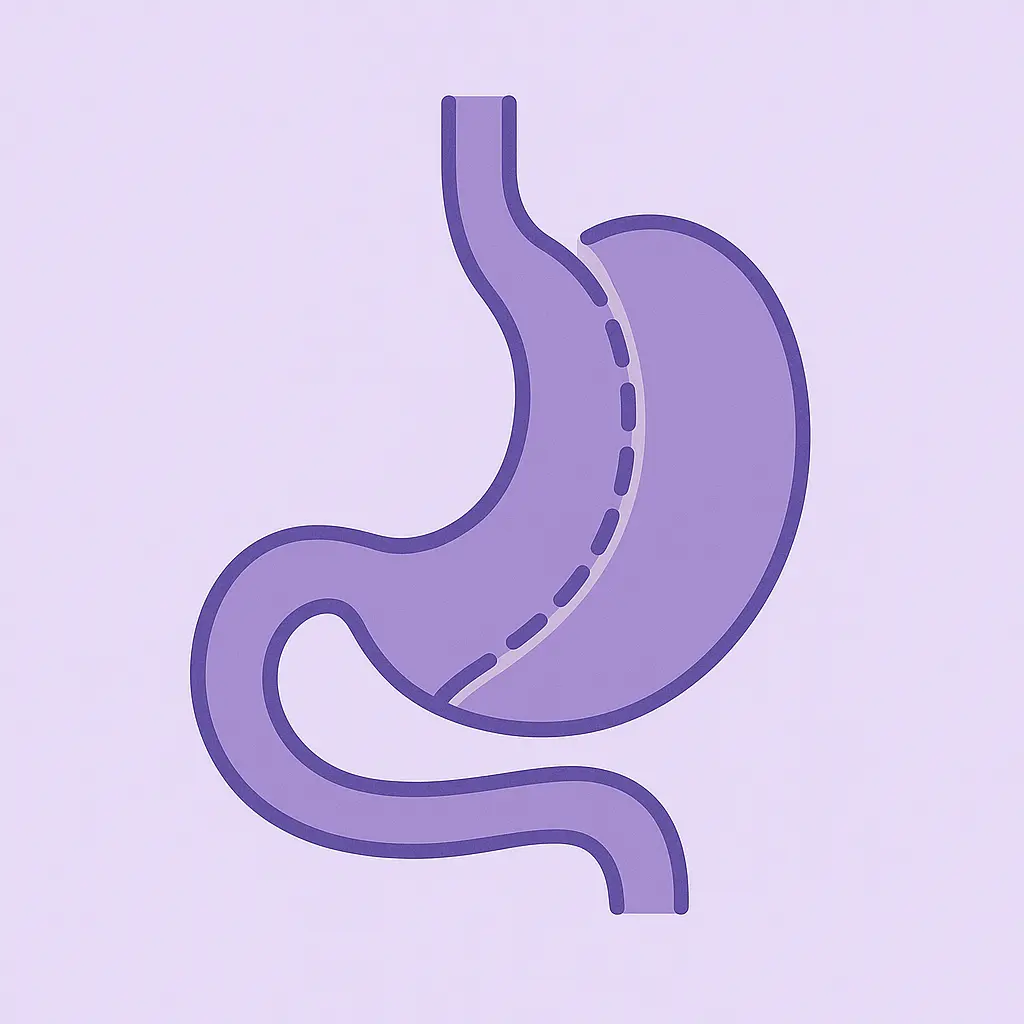
Sleeve Gastrectomy
Minimally invasive surgery for long-term weight loss with a simple procedure and no rerouting.

Mini Gastric Bypass
Simpler, less invasive gastric bypass for significant weight loss and diabetes control.
Gastric Balloon
A non-surgical, temporary option for moderate weight loss without permanent stomach changes.
Transforming Lives Beyond Expectations

Gastric Sleeve Surgery

Gastric Sleeve Surgery

Gastric Sleeve Surgery
Follow Dr. Gül on Instagram


